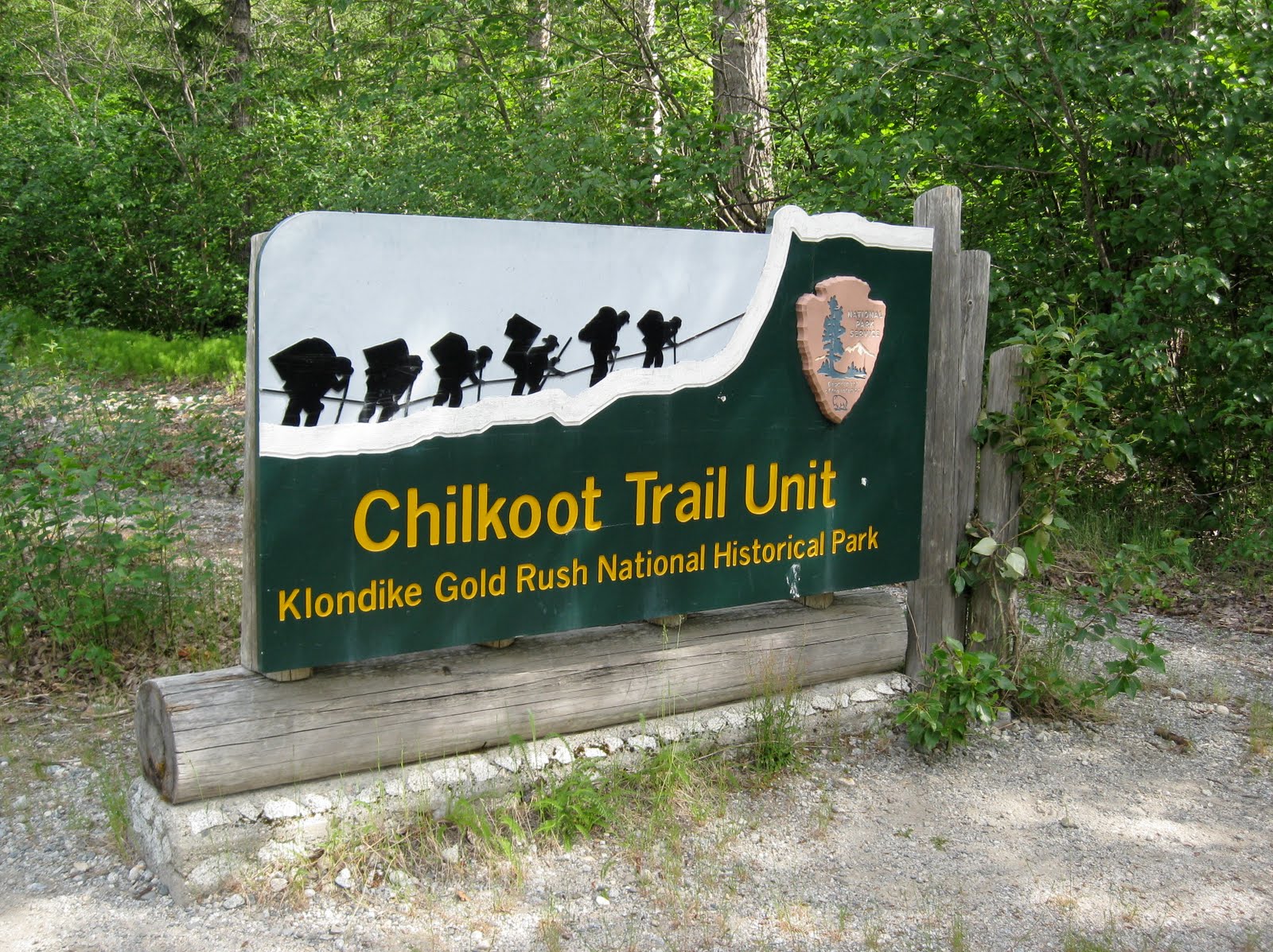
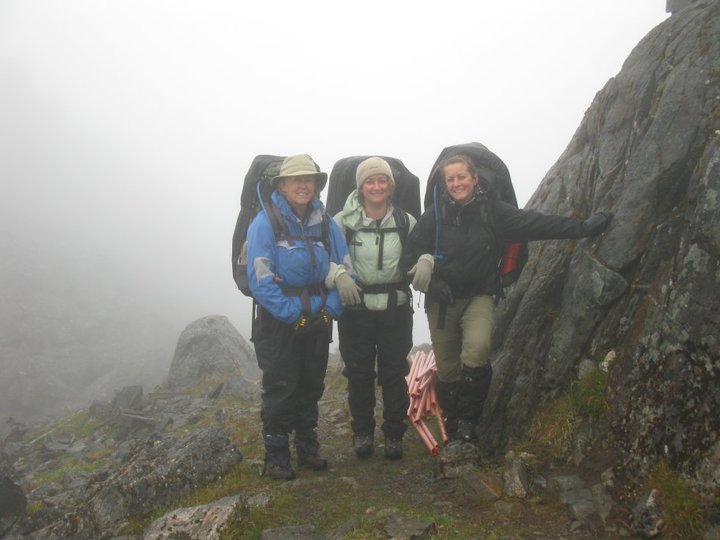
For the concluding project of my Bachelors in Education, I organized a 5-day hike excursion (plus 4 days travel) on the Chilkoot trail for myself, my mom, and sister. As it was a demanding hike, I made a training schedule for the two. I provided them with a list of the material needed and the important things to look for in the latter, for example weight limits. It was a great experience putting all my learning to practice and connecting with my family. The planning and executing of this trip had to take in to count many factors, such as physical condition, age, experience, permits, etc. Looking back now, the knowledge from this experience can be brought into my planning in the classroom and on field trips. I know how much diversity can influence the process, and no matter how much you have planned, expect the unexpected.
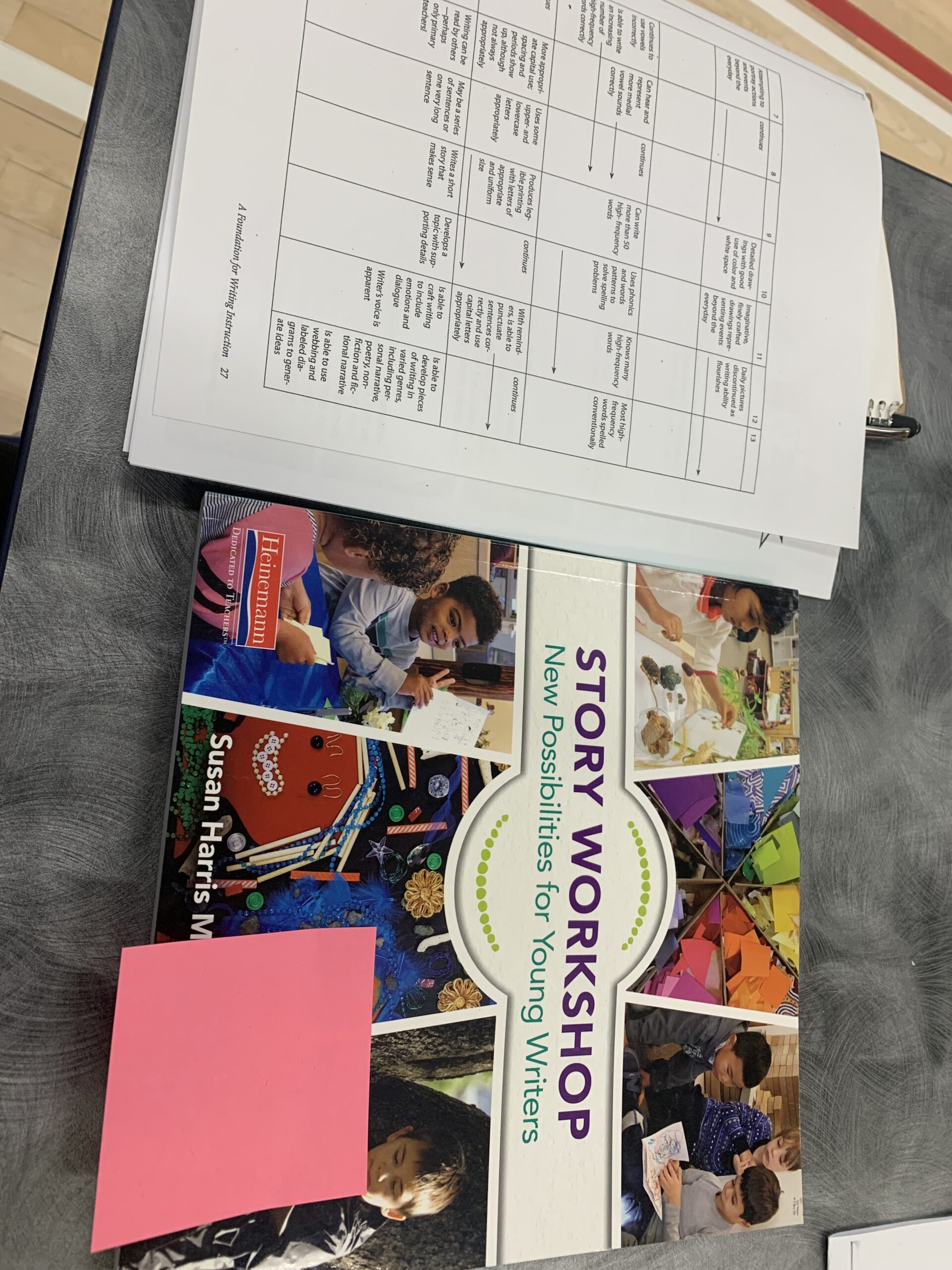
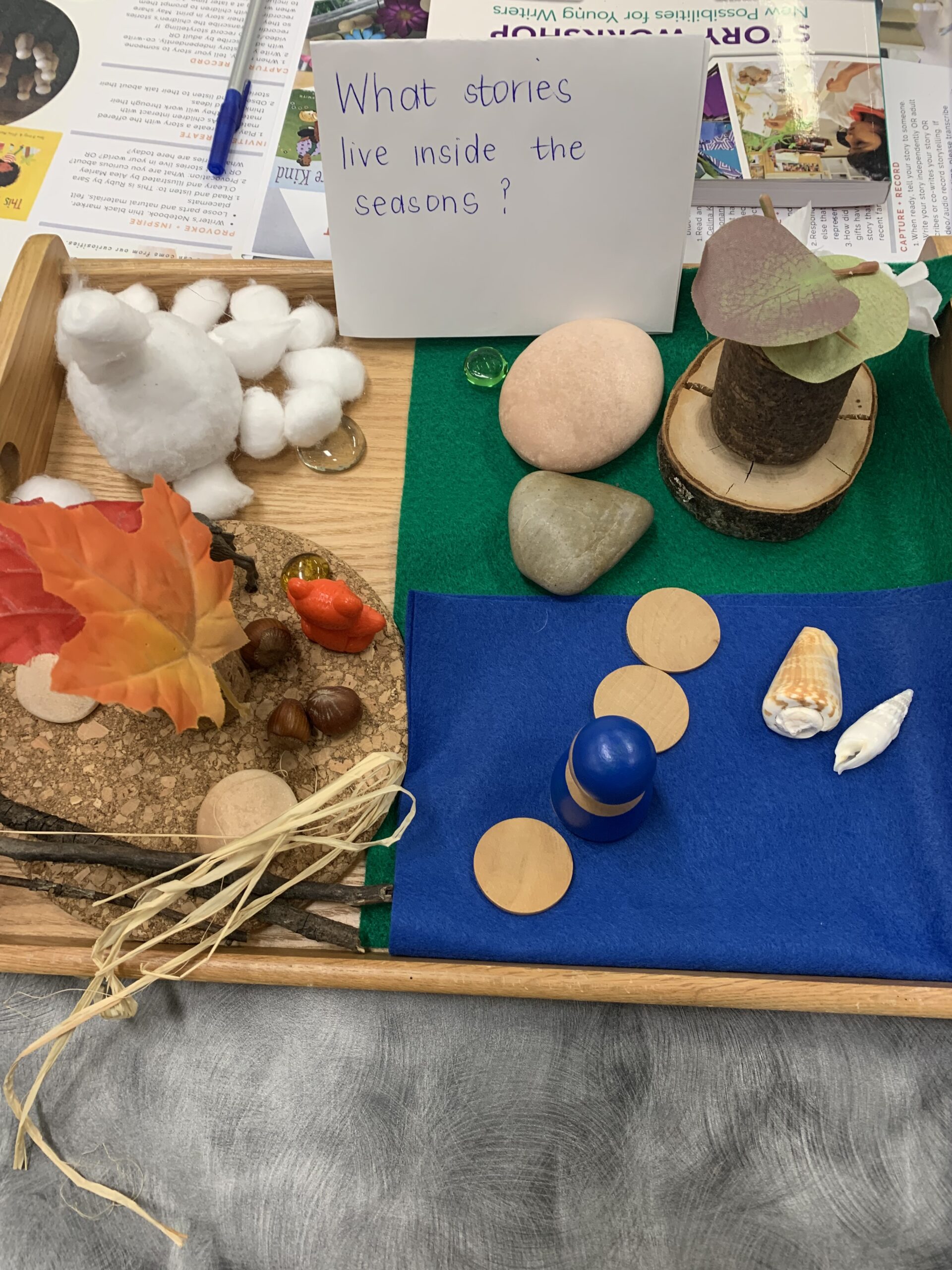
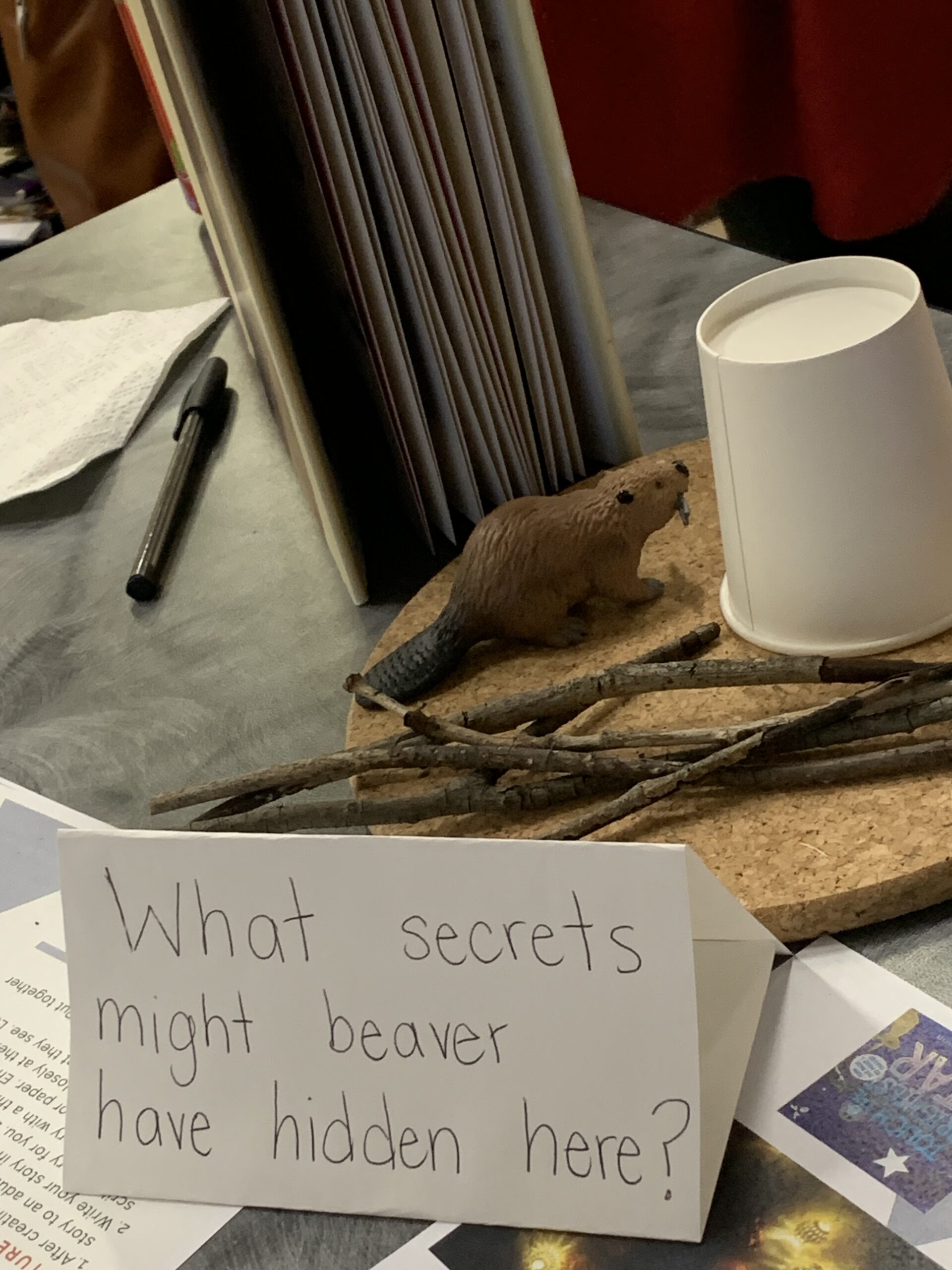
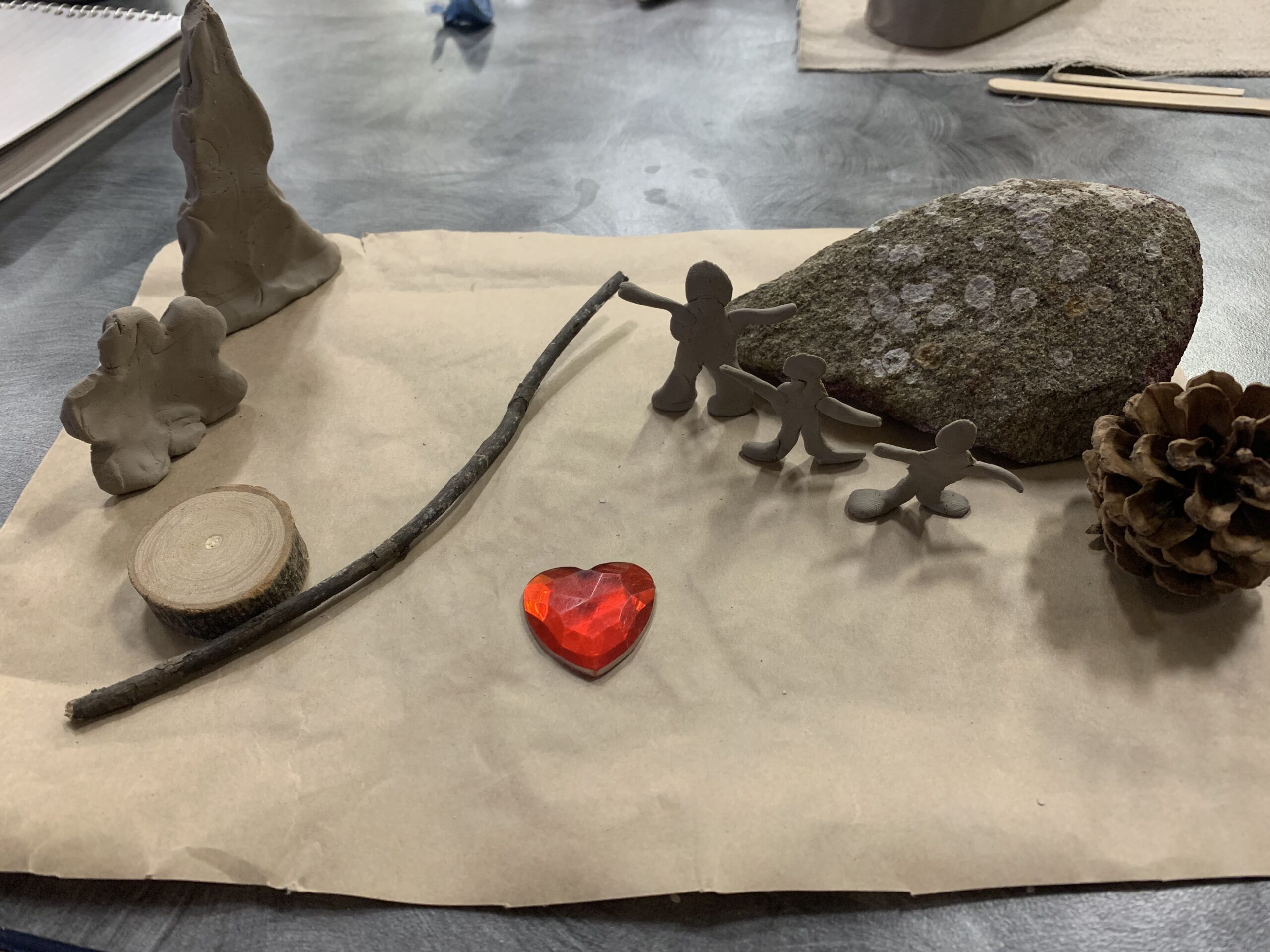
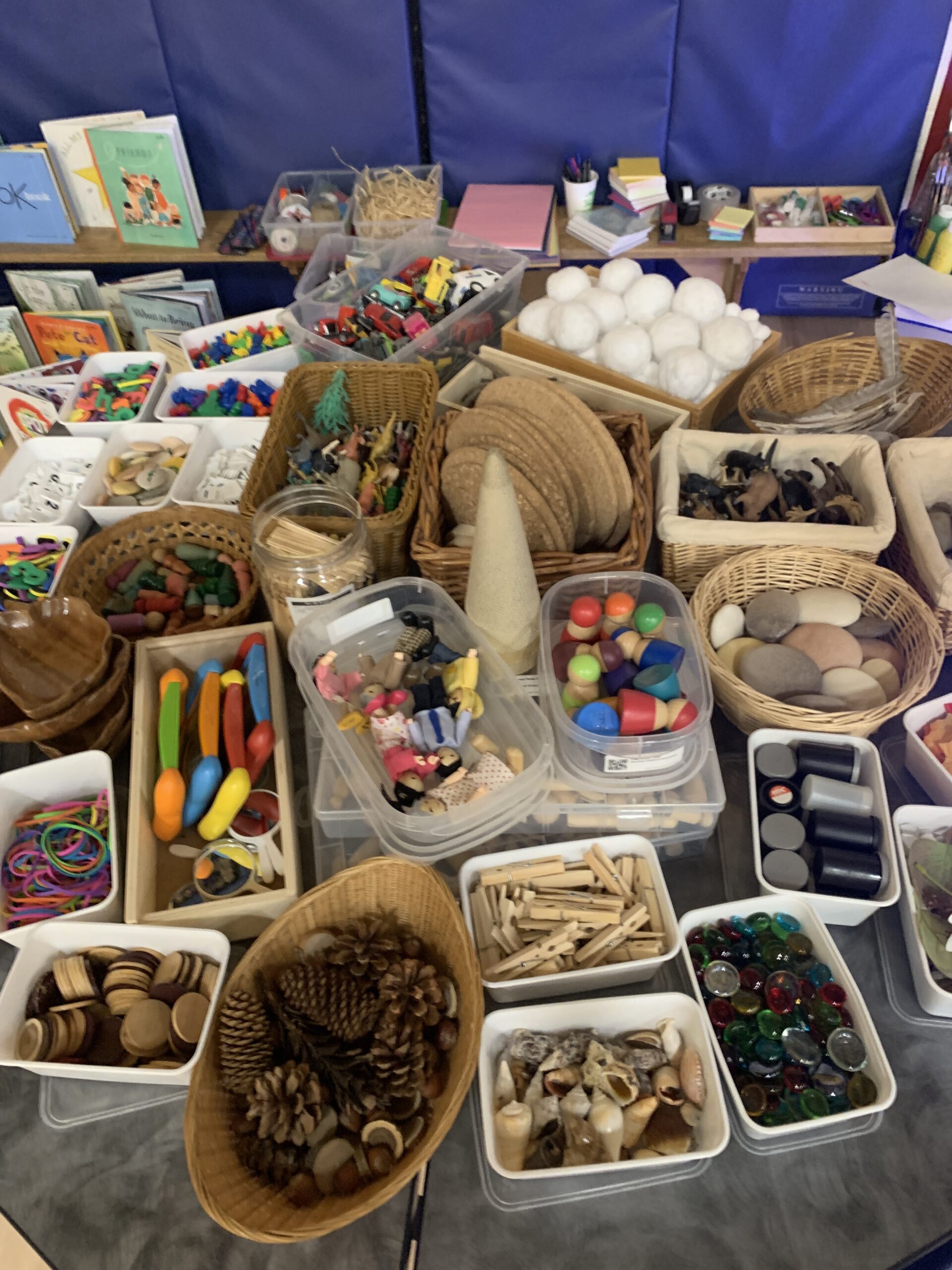
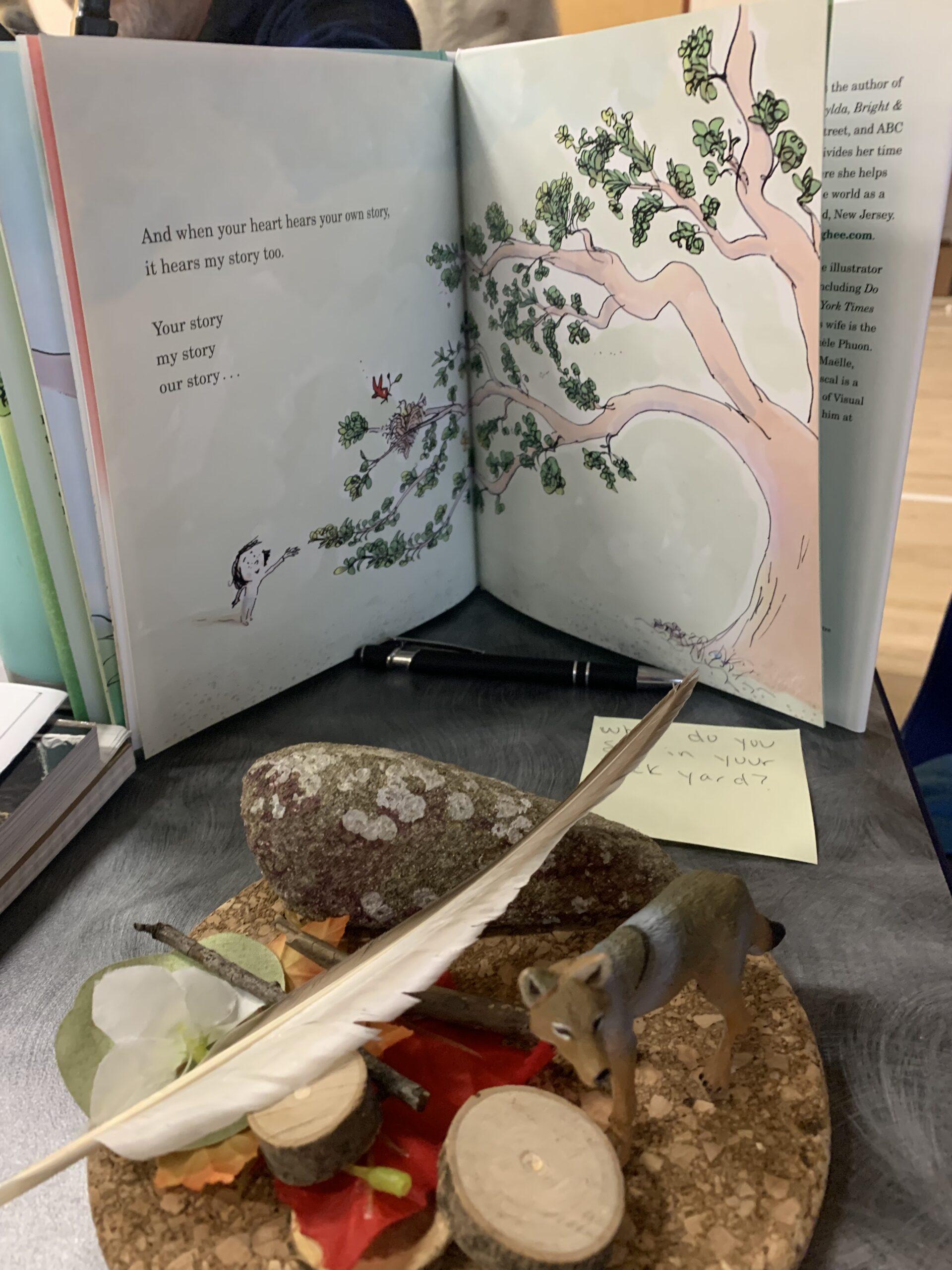
The First Peoples Principle of Learning that “learning takes patience and time” was highlighted throughout this workshop along with many classroom resources; from physical books to activities and strategies. Everyone has a story to share, and providing these story workshops helps you students to develop their storytelling skills, that helps you to connect, share, assess, and teach your students. The story workshops are very inclusive and adaptable making it ideal for all learners, especially apprehensive ones. The deep play helps to break barriers students may face, to foster engagement to succeed in teaching and learning: Play = Story = Writing.

In the fall semester of 2024, Roxane Letterlough taught us how to bring dancepl3y into the classroom. We got to live the experience through the songs, dance, and movement. It was so freeing; any stress I had going in was long gone by the time we were done. I can really see how positive this program is to bring into schools. I have downloaded some of the songs and listen to the often, envisioning me dancing. I downloaded the instructions to my favorite songs dance, and I have been trying to teach my kind. I can’t wait to bring this into my future classroom.
Climate-and-Sustainability Disability-Justice-in-Outdoor-Learning Indigenous-Resources-for-the-Early-Elementary-Years Teaching-Ideas-and-Activities-for-using-Sit-SpotsLike the host, Jade Berrill shares, Nature is great for mental health. She continues to say that environmental education it is not what you do but who you are and how you move about the world. Environmental education is a huge part of my teaching philosophy as I believe that it is a way to reach each, and every child. Free resources, funding, and support in your community and region are available on their website to promote collaboration, in order to support our students, our future, and our planet. There are many courses I want to take and resources I would like, but it could get quite costly.
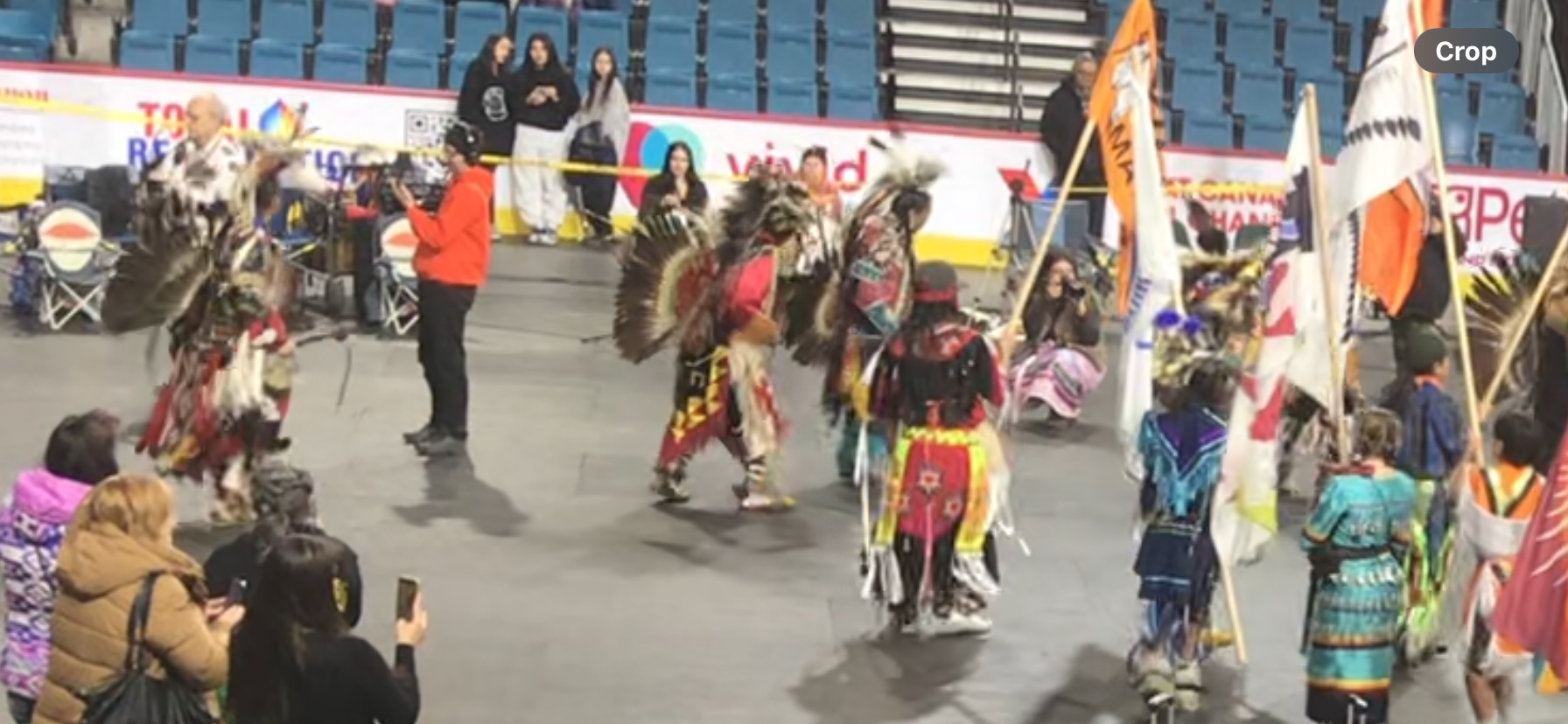
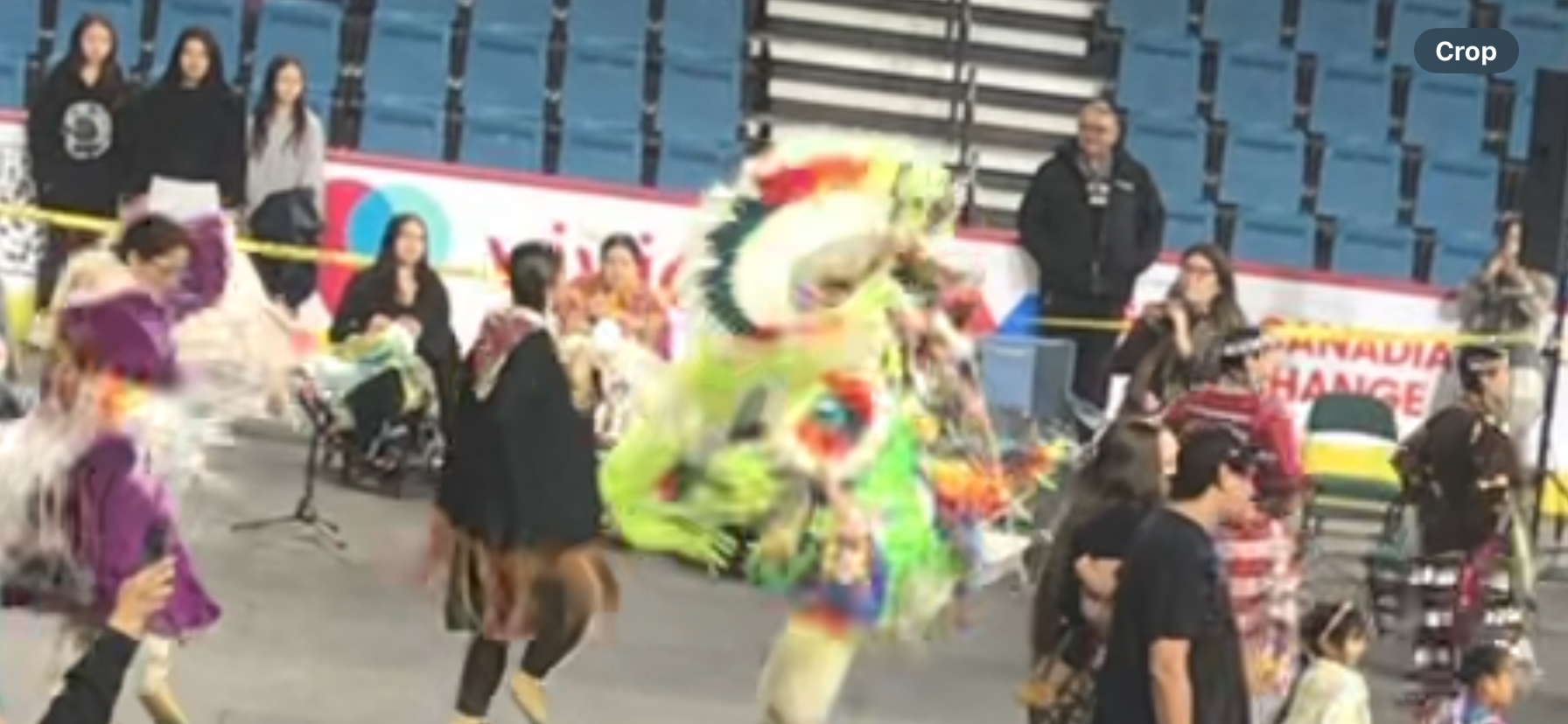
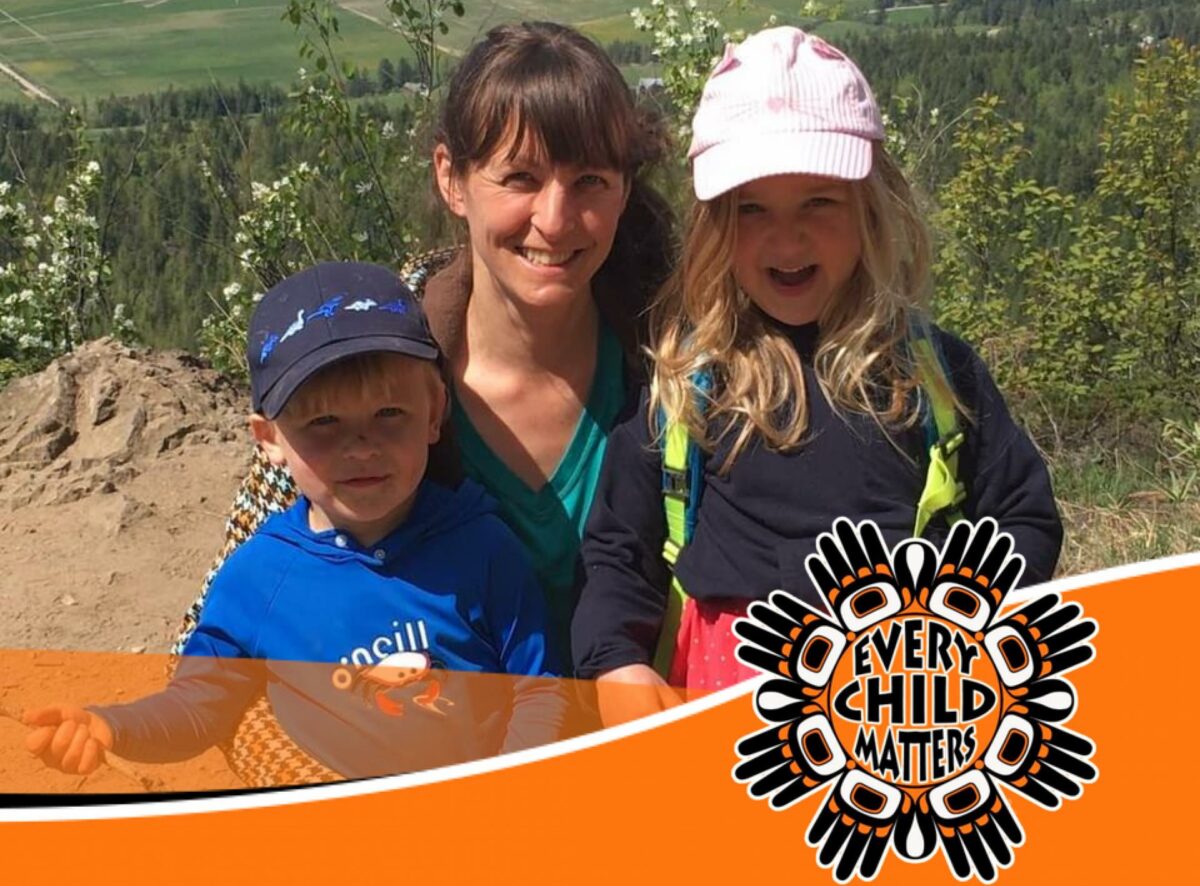
In the spring semester, I brought my family to a Pow Wow in Kamloops. It was so great to see to community and beauty of this event. The best part about it was how engaged my children (until my 2 year-old needed a nap), my daughter was so happy she took pictures and videos for her show and tell at school. In my daughter’s class, they were currently learning about the Pow Wow, and for her to experience is firsthand brought all the learning to life. Attending this Pow Wow confirmed my idea that you can learn a lot of things from books and stories, however things are better understood when you experience an immersion into a language or culture. This experience confirmed the idea I had in my teaching philosophy of place-based learning. Experiential, hands-on, inquiry-based teaching and learning is very efficient for student growth.